Steamage Rome
Steamage Rome is a counterfactual historiographical model that explores a timeline in which Roman engineers and administrators successfully scaled high-pressure steam systems during the 2nd century BCE. The model proposes that early thermodynamic technology transformed imperial logistics, urban life, and military mobility before the rise of classical Christendom, creating a dense industrialized Mediterranean state several centuries earlier than in orthodox Roman chronology. The term is generally used for what scholars call the Steam-Powered Principate Era.
Overview
In this universe, a chain of experiments in military pumping, mining dewatering, and kiln management produced practical sealed-pressure engines around 180 BCE. Rather than remaining isolated curiosities, these engines were standardized by public works teams, financed by war appropriations, and then adapted to transport, metallurgy, and domestic infrastructure. Historians of the alternate setting argue that Rome did not need to wait for medieval mining accidents and early modern metallurgy to solve core engineering limits. They claim the legal structure of Roman contracts and provincial taxation made mass adoption unusually efficient.
The scenario is intentionally strict: steam use rises first in military and public works contexts before reaching domestic markets, avoiding the anachronistic image of individual household boilers appearing in large numbers before the creation of secure pipe systems and safety valves. [1]
Roman steam revolution
Alternative sources place the key breakthrough in the eastern Mediterranean engineering corps around 196 BCE, where crucible failures in metal smelting produced evidence that heating and pressure could move pistons when carefully vented. In this timeline, these insights were transmitted to aediles and to military quartermasters, producing a policy known as the Leges de Vaporibus (public works decree) that required practical replication before any state-funded machine left the provincial test grounds.
Early systems
- Vapor pumps drained mines in Hispania and Dacia more quickly than water-chain methods.
- Roadside winch engines were attached to grain mills and oil presses on major military roads.
- Steam-driven water towers provided reliable irrigation flow near Capua, Antioch, and Carthago, allowing triple-crop cycles in selected estates.
Critics in-universe point out that metallurgy in this period remained variable and regionally uneven, but proponents credit strict senate oversight and legal standardization for quality control. [2]
Economy and society
A major argument in this speculative tradition is that steam power altered labor composition rather than making labor disappear. Enslaved and free workers were not replaced at once; instead they shifted toward machine operation, maintenance, boiler casting, and canal coordination. The model proposes a new technical class of machinatores whose contracts and guild-like legal status resemble later industrial workforces.
Urbanization increased in nodes linked to fuel depots and steam fleets. Cities with access to wood or low-sulfur peat developed early boiler districts, while upland provinces with poor fuels relied on wind and animal power for longer. This produced regional inequality that historians call the energetic frontier. [3]
Military adaptation
Military institutions are central in most reconstructions. Roman legions adopted steam-driven hoists for fortification construction, reducing campaign setup time. Portable furnaces for casting standardized bolts and chains improved siege continuity. Riverine units on the Rhine and Danube used steam-pushed paddle barges to move artillery and stores.
The strongest revisionist claim is that these techniques reduced the strategic value of winter attrition campaigns. If true, frontier policy in this timeline is less about repeated scorched-earth operations and more about permanent engineering occupation of transport corridors. [4]
Science and legacy
Philosophically, the model argues that practical steam systems created pressure for formalized thermodynamic reasoning. Roman mathematical schools developed proto-theory around phase change, expansion, and cycle efficiency, often framed as civic law rather than abstract physics. In this timeline, by late antiquity, the language of controlled pressure is embedded in law, architecture, and military engineering texts.
Later centuries in this fictional record show mixed outcomes. Urban elites resisted some safety reforms, while provincial workshops pushed for wider boiler testing. The resulting debates resemble early modern patent and labor disputes, although expressed through Roman legal institutions.
Chronology
- 196 BCE - Provincial steam test records first mention sealed-pressure pumps used for mine drainage.
- 184 BCE - Legal standard for replicated public steam pumps issued by civic authorities.
- 147 BCE - First steam-assisted grain mills appear near southern Italian ports.
- 78 BCE - Senate charter defines contractor liability for pressure vessel failure.
- 18 CE - Steam pumps and chain systems integrated into frontier depot logistics in Gaul and Hispania.
- 212 CE - Steam-barge convoys standardized on Rhône and lower Danube channels.
- 305 CE - Manuals circulate on boiler inspection intervals and water-quality control.
- 476 CE - Regional engines continue operating despite western political fragmentation.
Related entries
Expanding the same alternate chronology, the following connected entries describe key institutions, inventions, and personalities that appear across the Steamage Roman record.

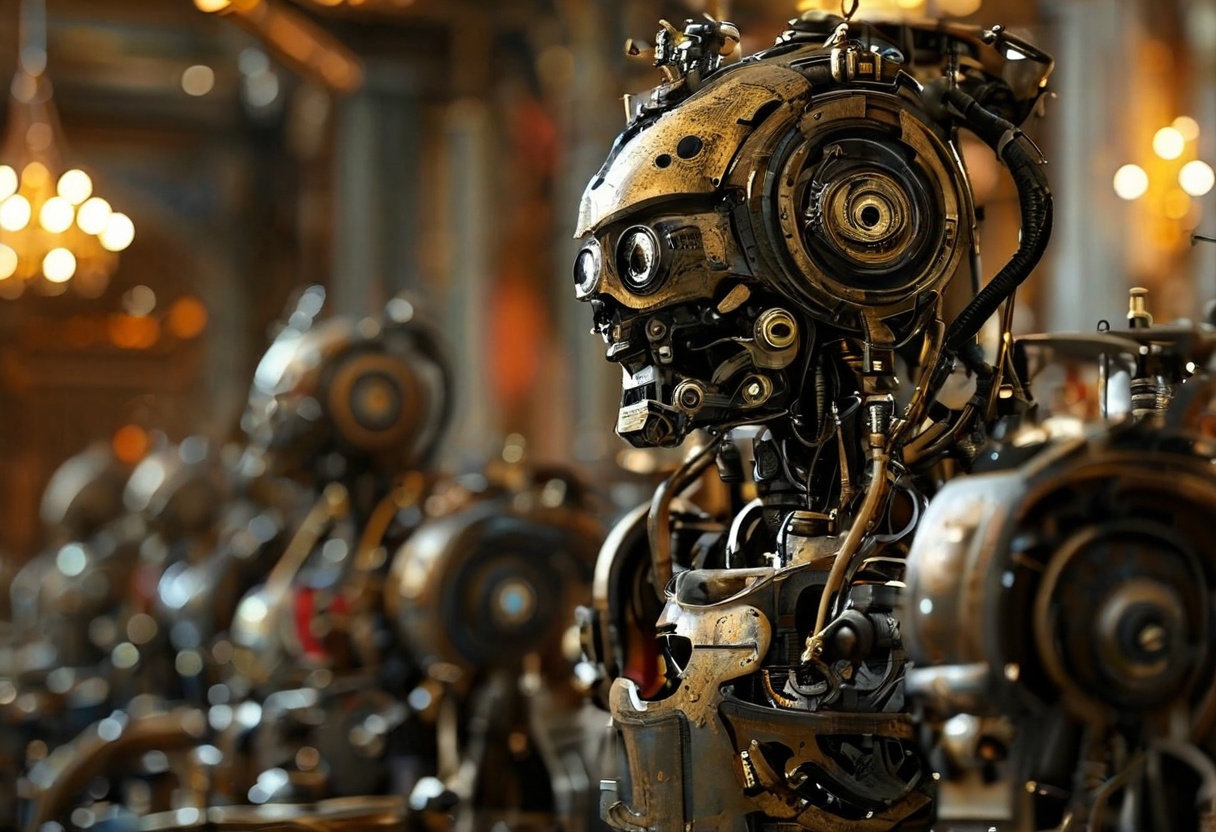
Steam Forums of Lutetia
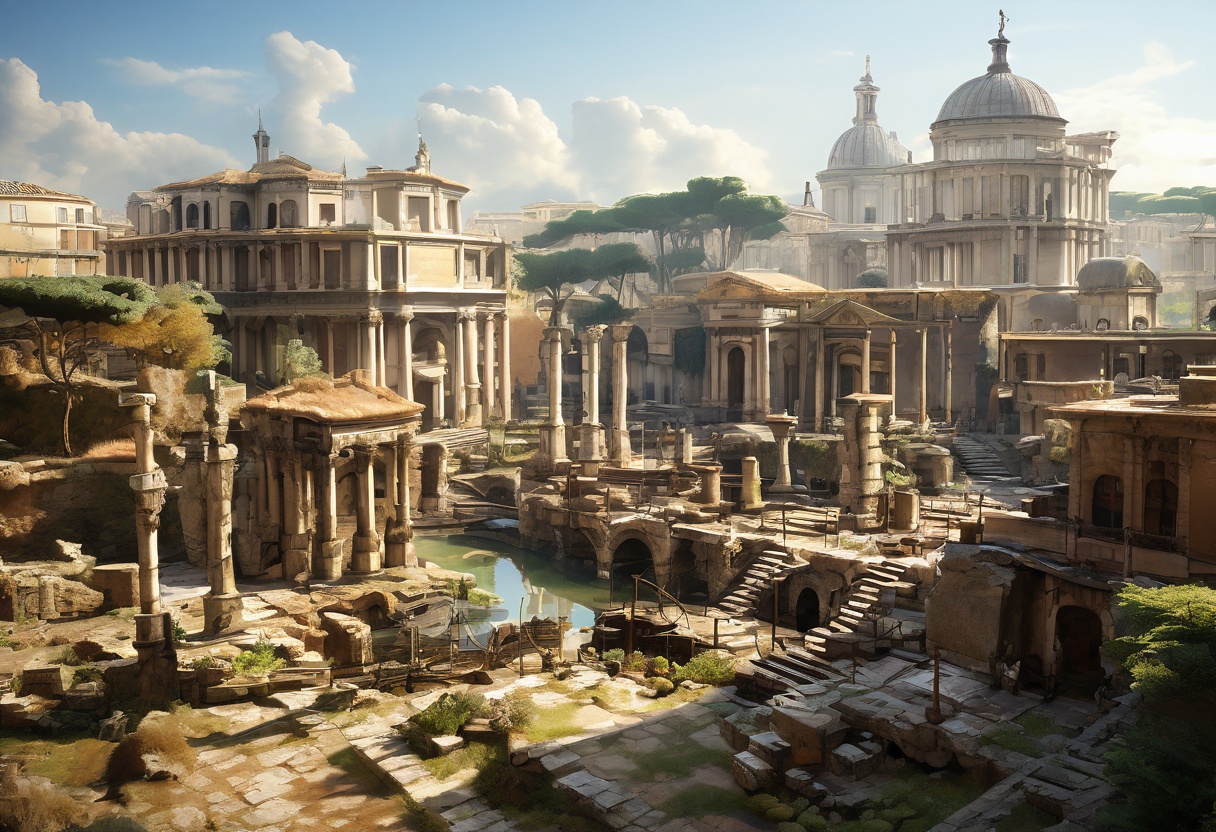
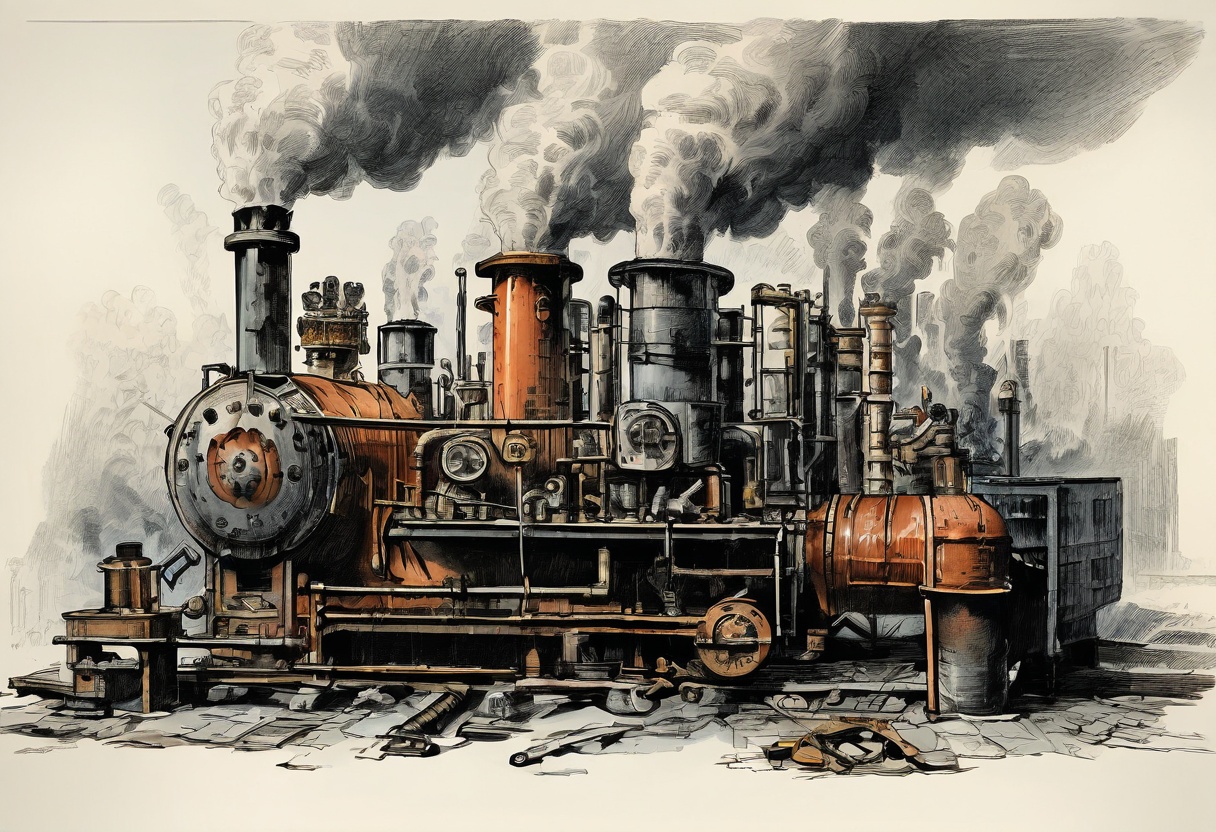
The Steam Forums of Lutetia are remembered as one of the first civic institutions requiring public inspection logs for every high-pressure device. They introduced mandatory reporting rituals before machinery became legal for resale or public rental.
Imperial Vapor Dockyard at Ravenna
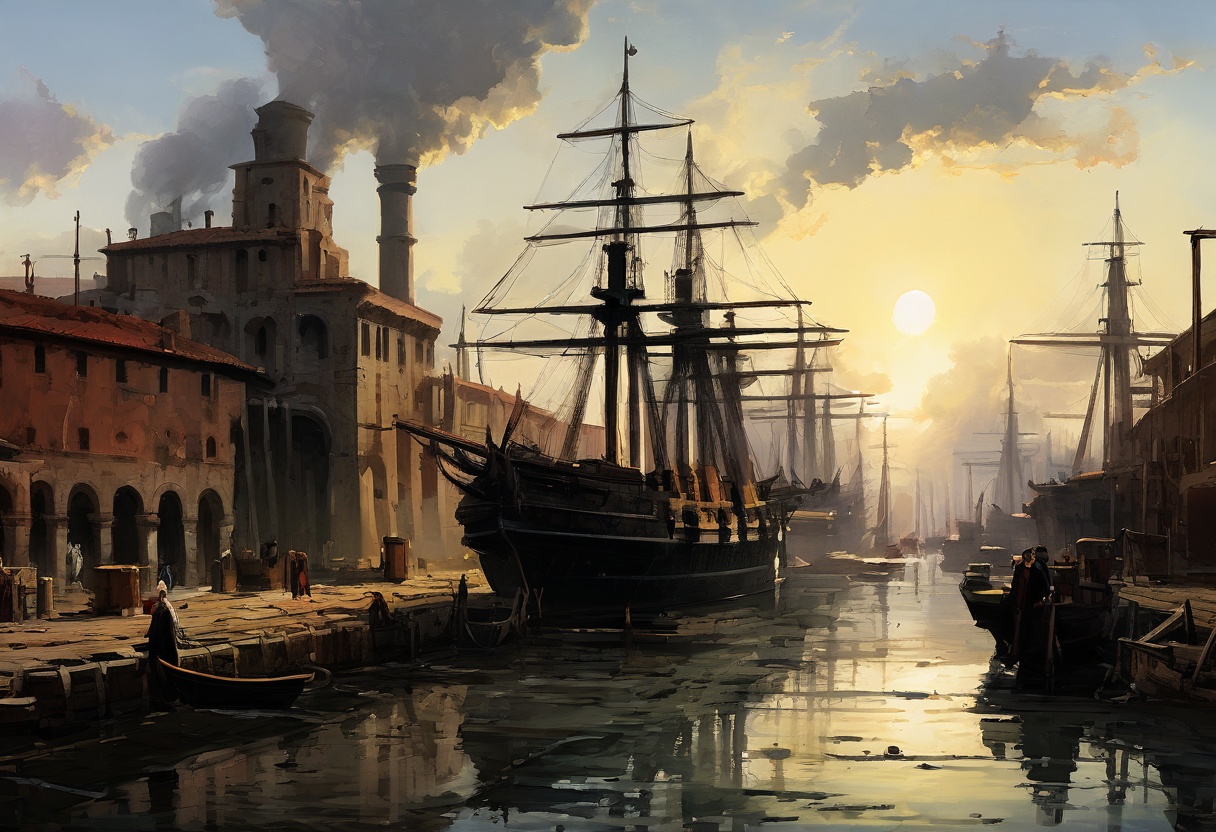
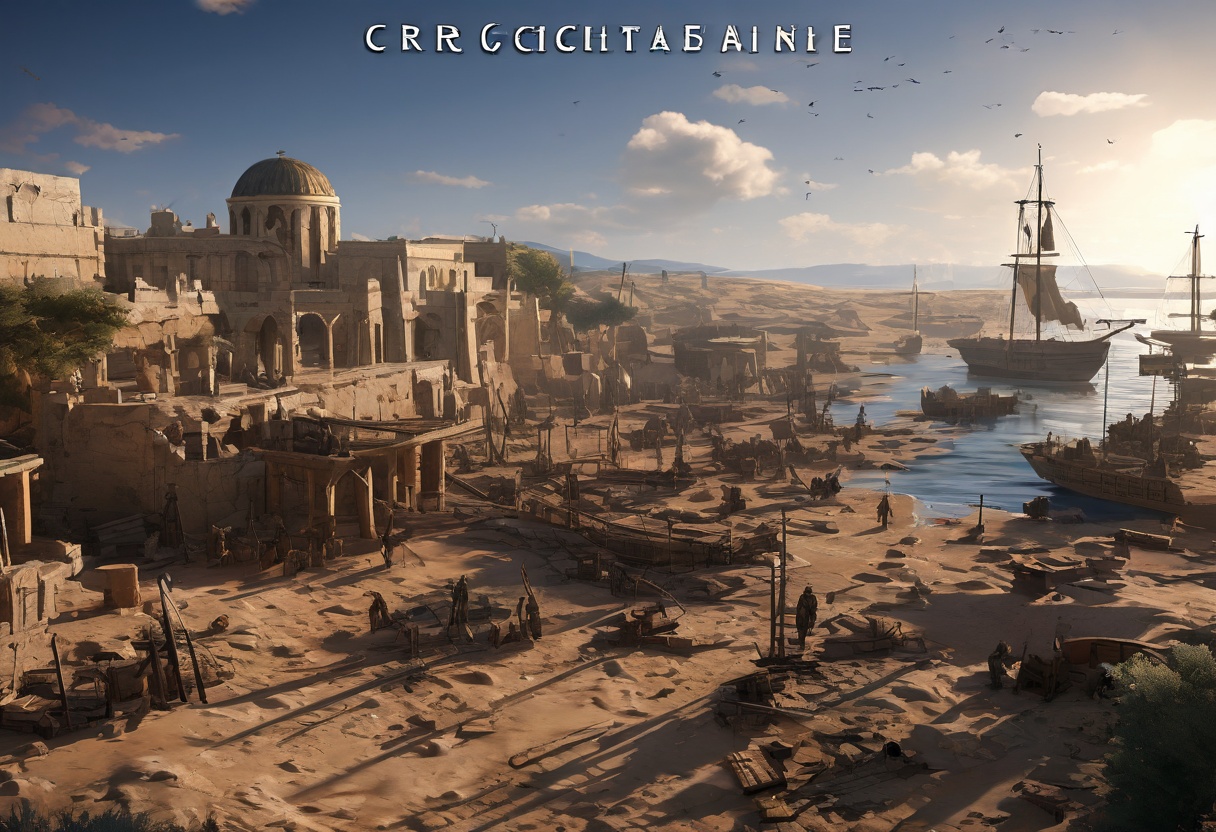
Ravenna became a strategic river-and-coast transfer point because of its steam-assisted dry docks and barge repair sheds. Manuals from this institution describe how paddle paddings reduced turnaround times for military convoys and grain barges.
Pressure Tablets of Hispania
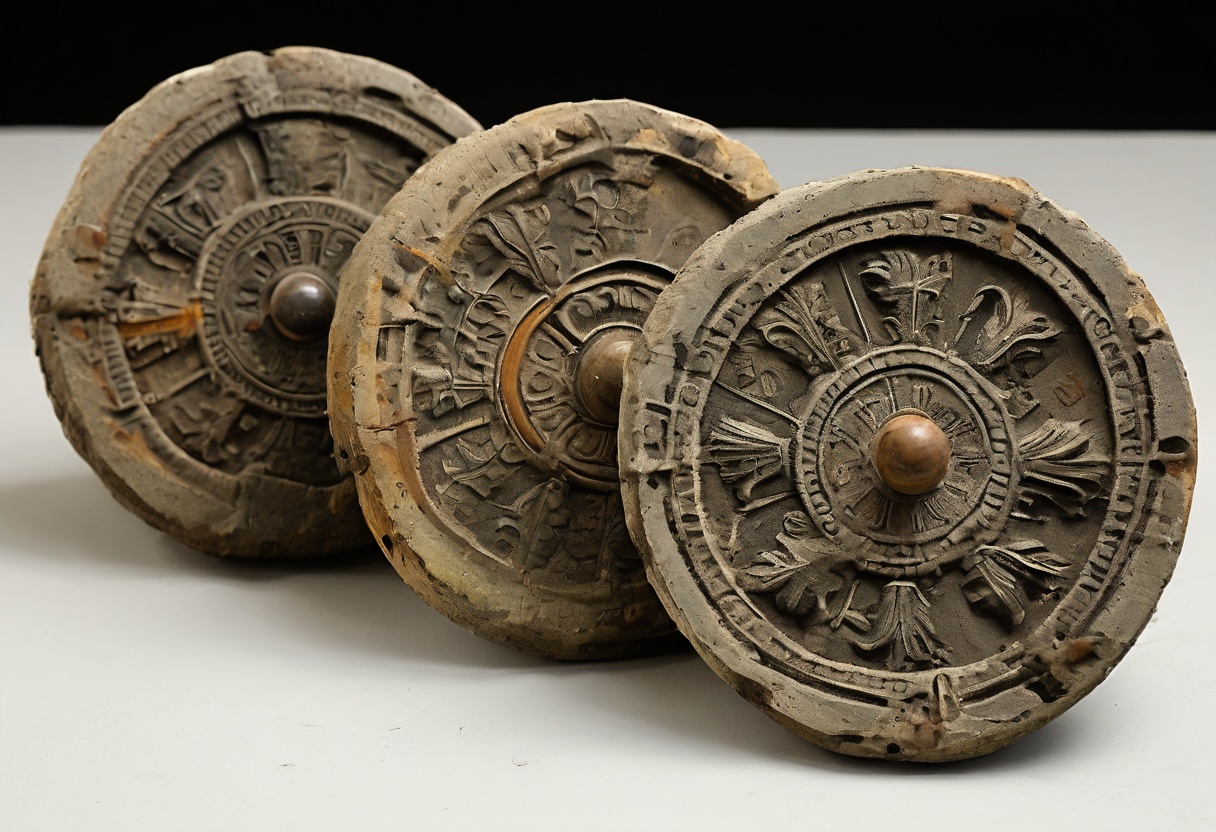
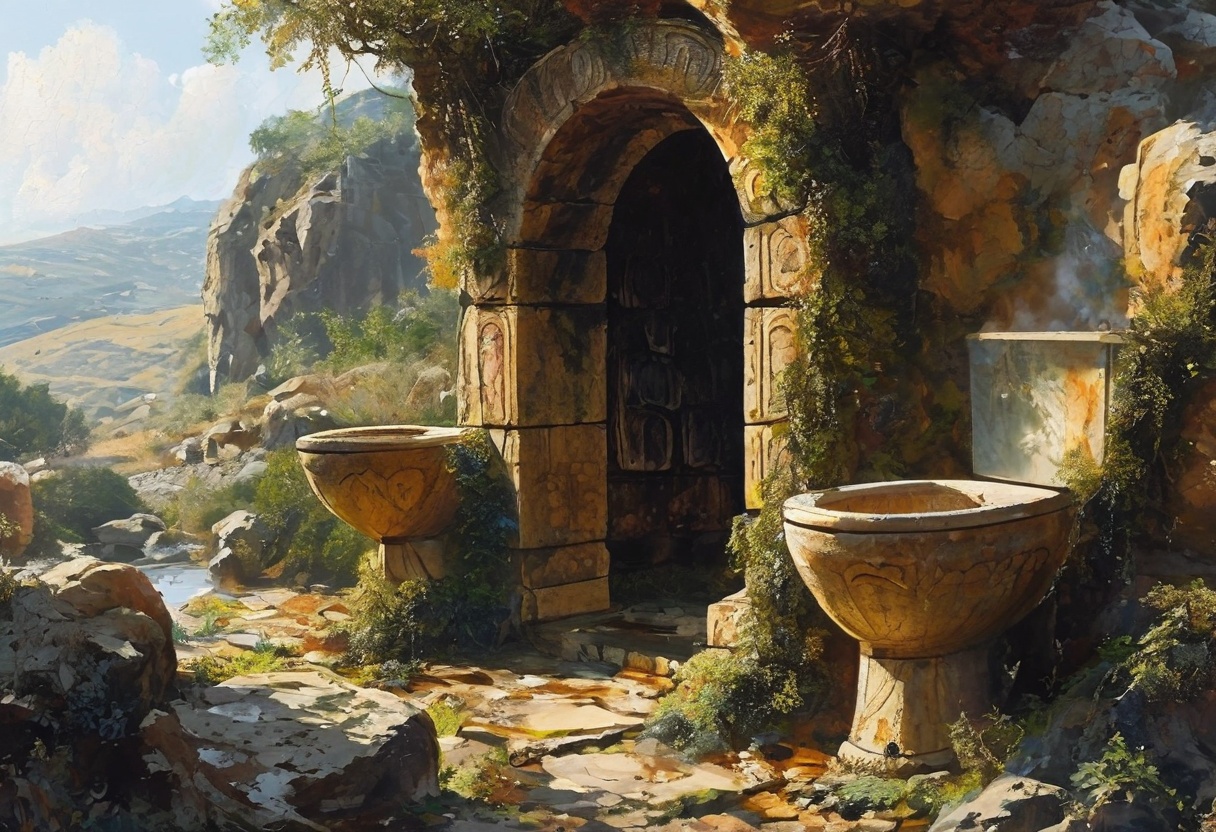
Archaeological traditions in this timeline preserve stylized tabular records of seal failure, valve pressure thresholds, and steam-cycle frequency. The tablets are treated as primary evidence for state-level maintenance culture.
Steam Irrigation Reforms
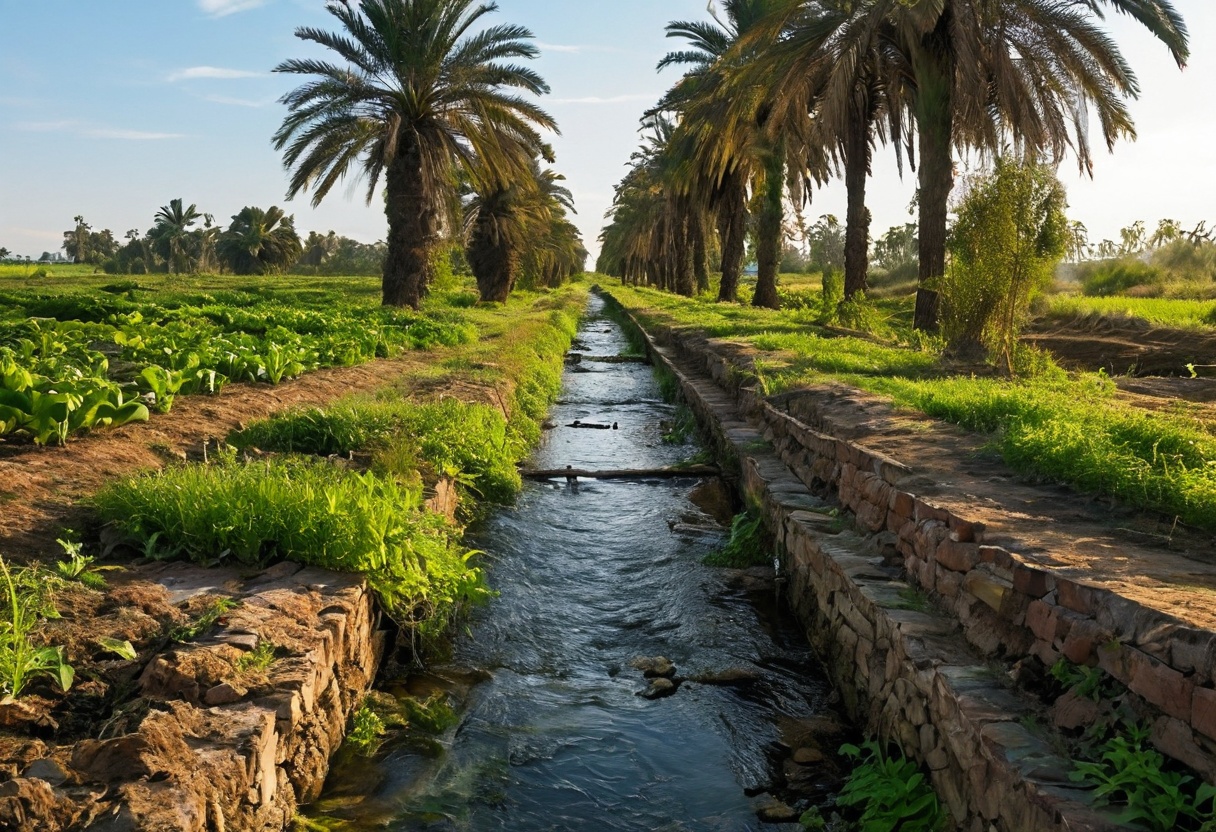
The reform package tied annual grain quotas to certified boiler performance and fuel yield records. Regions with stable peat access were prioritized for triple-crop schedules and experimental flood basins.
Boiler Tax Reforms
These reforms introduced tiered levies for personal and guild-owned engines. In practice, they subsidized agricultural engines while taxing military surplus and hazardous private installations at higher rates.
School of Thermodynamic Jurisprudence
The school combined technical experimentation with legal codification. Its curriculum linked pressure mathematics to liability codes and inspection law, producing a standardized language for reporting rupture events.
Sanitation and Steam Circulation
Antioch is central in debates about public health outcomes. Advocates claimed steam-assisted circulation reduced foul stagnation cycles, while critics argued uneven maintenance created periodic pressure spikes and bursts.
Pontoon Bridge Projects
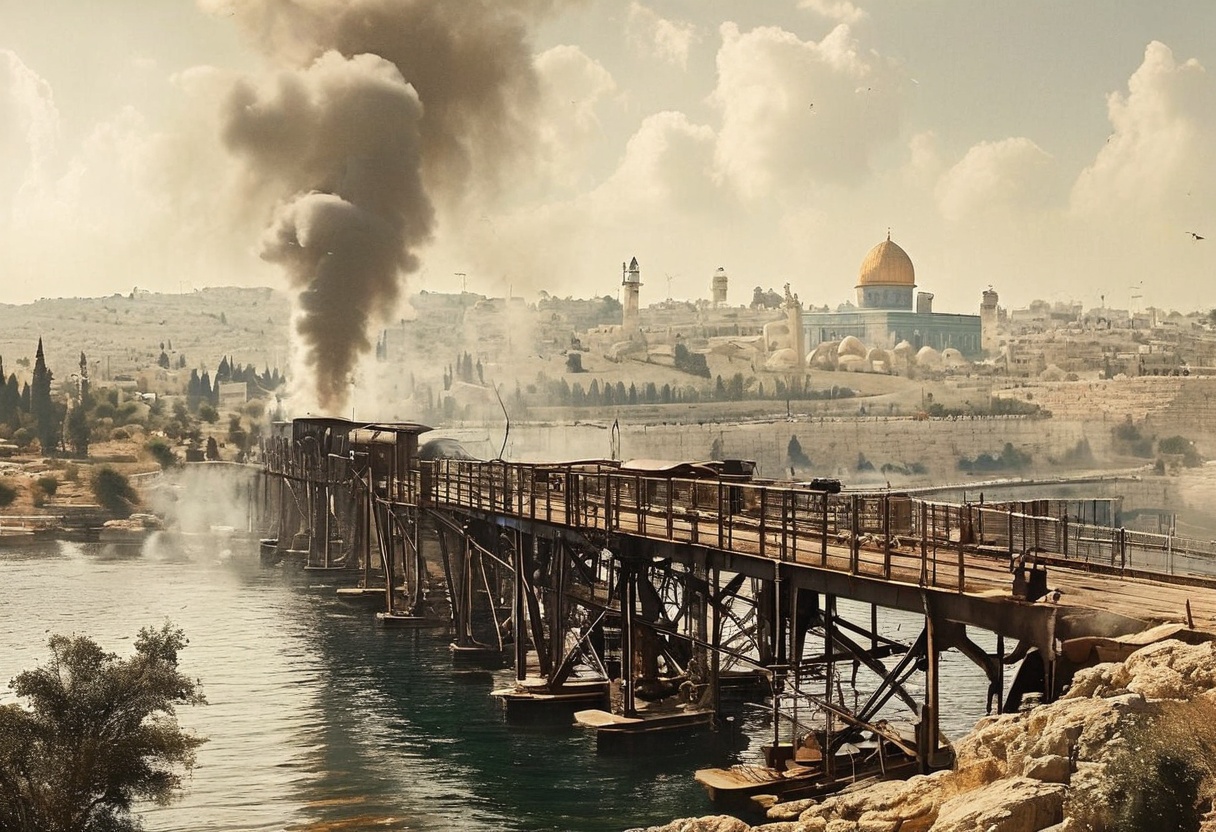
This entry tracks engineering teams that used steam-pulled winches for rapid bridge tensioning across flood-prone crossings. It is cited in campaign diaries to explain shortened river transits during storm seasons.
Carthage Forge Coalition
The coalition unified furnace masters and pressure casters into an oath-bound network for material standards. They pushed for alloy ratios that reduced shell fractures and boiler seam failures.
Machinatores and Civic Status
The machinatores represented machine operators, tinkerers, and boiler attendants who argued for recognition as protected civic technicians. Their legal status remained contested but became a landmark topic in senatorial records.
Criticism and revisionism
Most traditional classical historians reject the model as implausible, citing limits in metallurgy, fuel economics, and knowledge transmission. The dominant criticism is that continuous high-pressure use before modern metallurgy likely causes failure rates too high for sustained strategic deployment.
Revisionist scholars respond by emphasizing bureaucratic adaptation, not raw material abundance, as the primary driver. They point to legal incentives, long-distance auditing, and maintenance networks as compensating mechanisms. [5]
References
- Valerius, M. Vapor and Empire in the Ancient Mediterranean (fictional monograph), 12th Edition.
- Digest of the Leges de Vaporibus, fragmentary legal compilation attributed to late Republican codifiers.
- Petronia, L. "On Provincial Energy Frontiers," Annals of Counterfactual Engineering, 9(2), 445-482.
- Hector, S. Legions and Boilers: A Technical History, revised issue from the same model tradition.
- Rhenus Editorial Board. "Thermodynamics Before Descartes? Methodological Notes," internal discussion series, Imperium Methodica Review.
Influence on culture
In this alternate timeline, religious ritual, architecture, and theater incorporate steam symbolism. Bath architecture adds pressure-fed circulation channels. Public festivals include processions of model boilers, and poets reference the hissing horse as a symbol of civic discipline. Later medieval analogues in this fiction trace machine lore to surviving Roman mosaics and legal tablets.