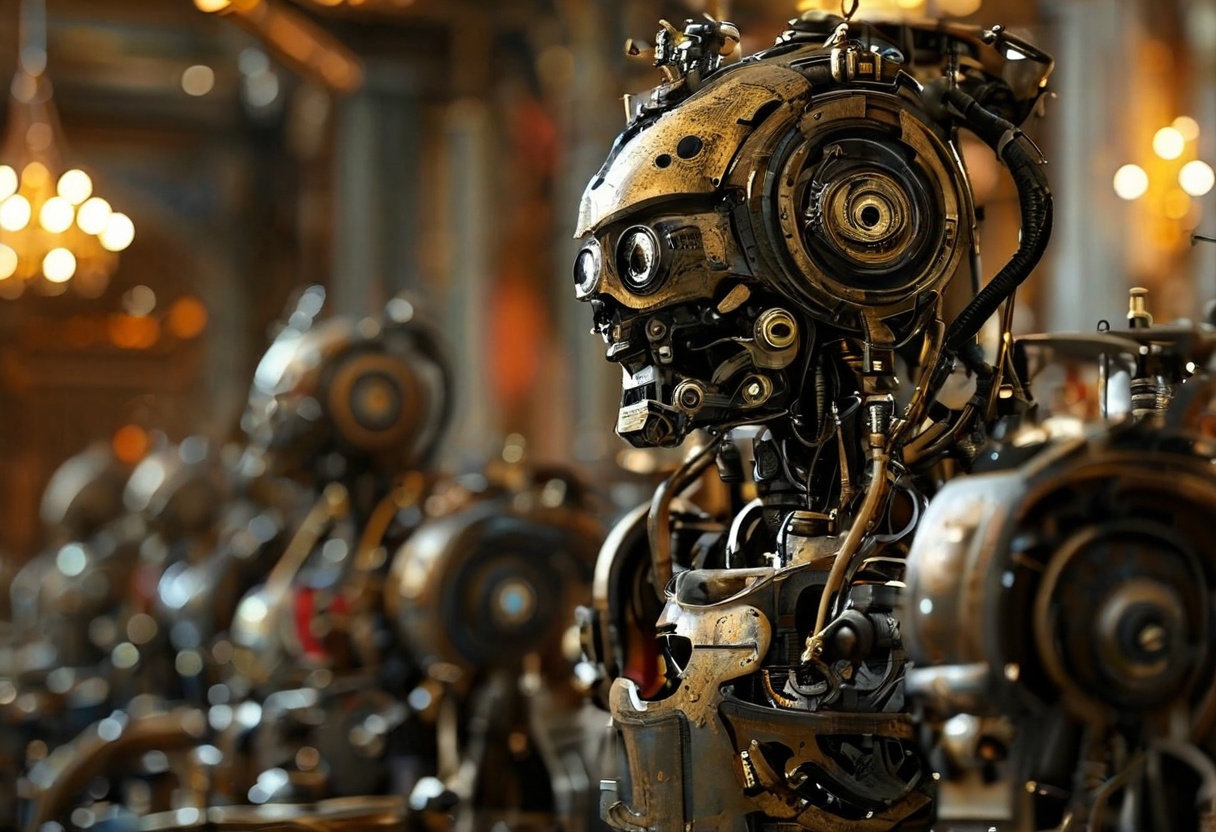
Welcome to Vikipedia
This is the main page for the alternate timeline where Roman engineering developed high-pressure steam during the late Republic.
The project imagines a world of mechanized aqueduct systems, steam logistics, and pressure law centuries before the modern era.
From today's featured article
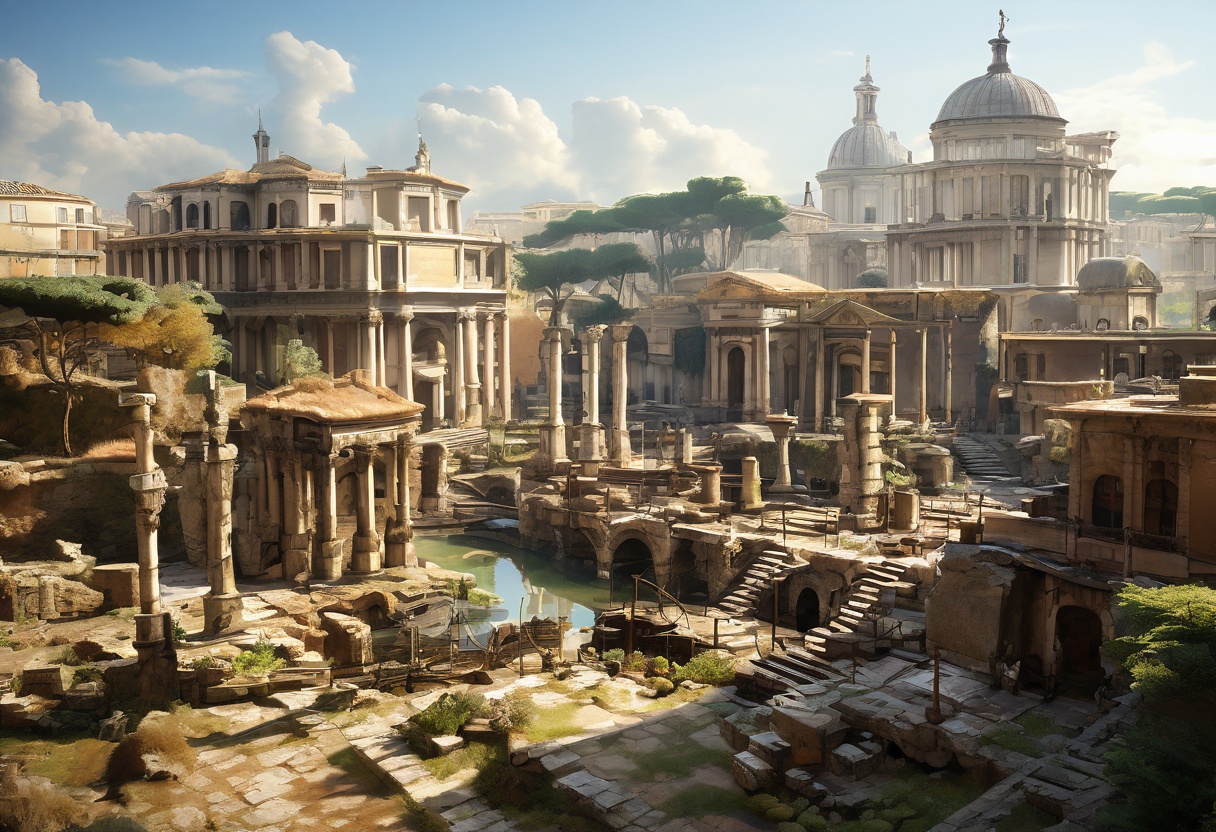
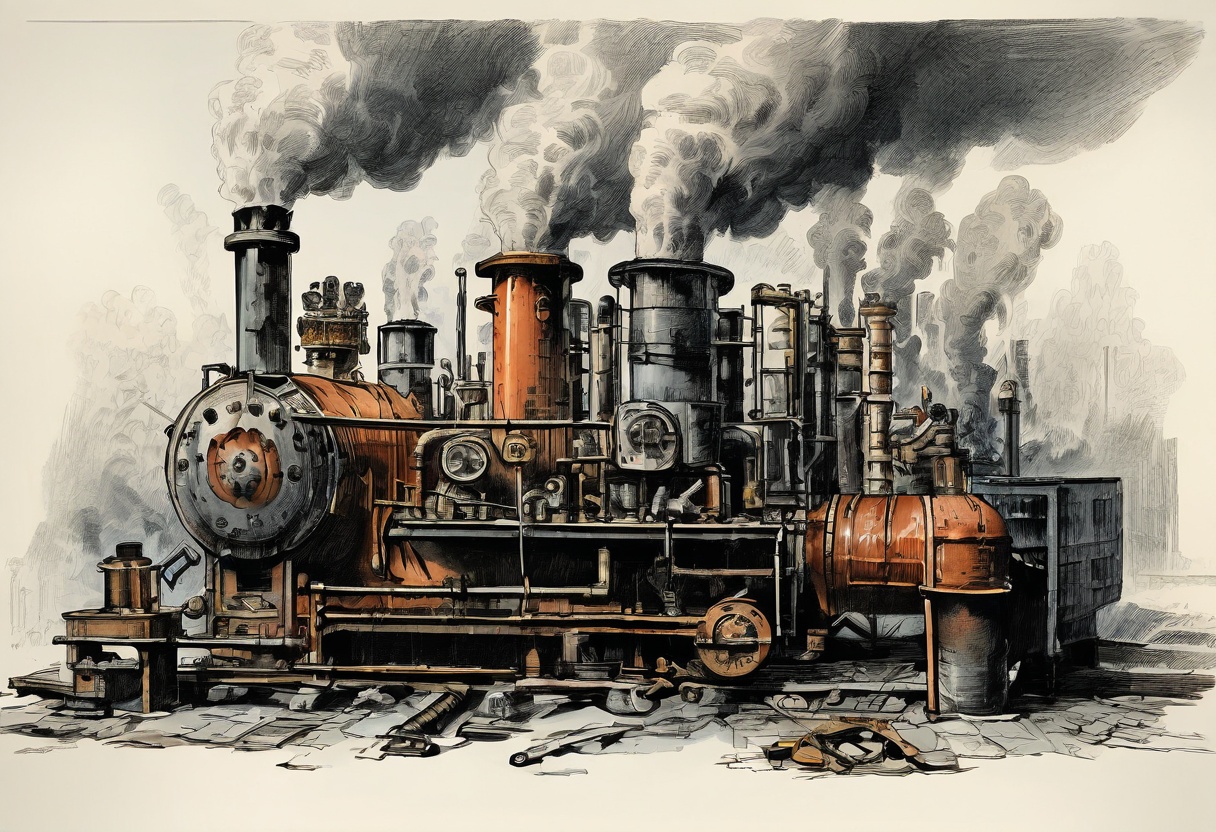
Steamage Rome is the core model: a counterfactual Roman period where steam engines reshape
military logistics, mining, law, and urban planning. The timeline includes institutional frameworks such as the Leges de Vaporibus and municipal inspection networks.
What this world explores
Industrial organization appears early, with mechanical maintenance replacing ad hoc craft methods, and legal systems codifying boiler inspection, labor safety, and fuel policy.
Did you know…
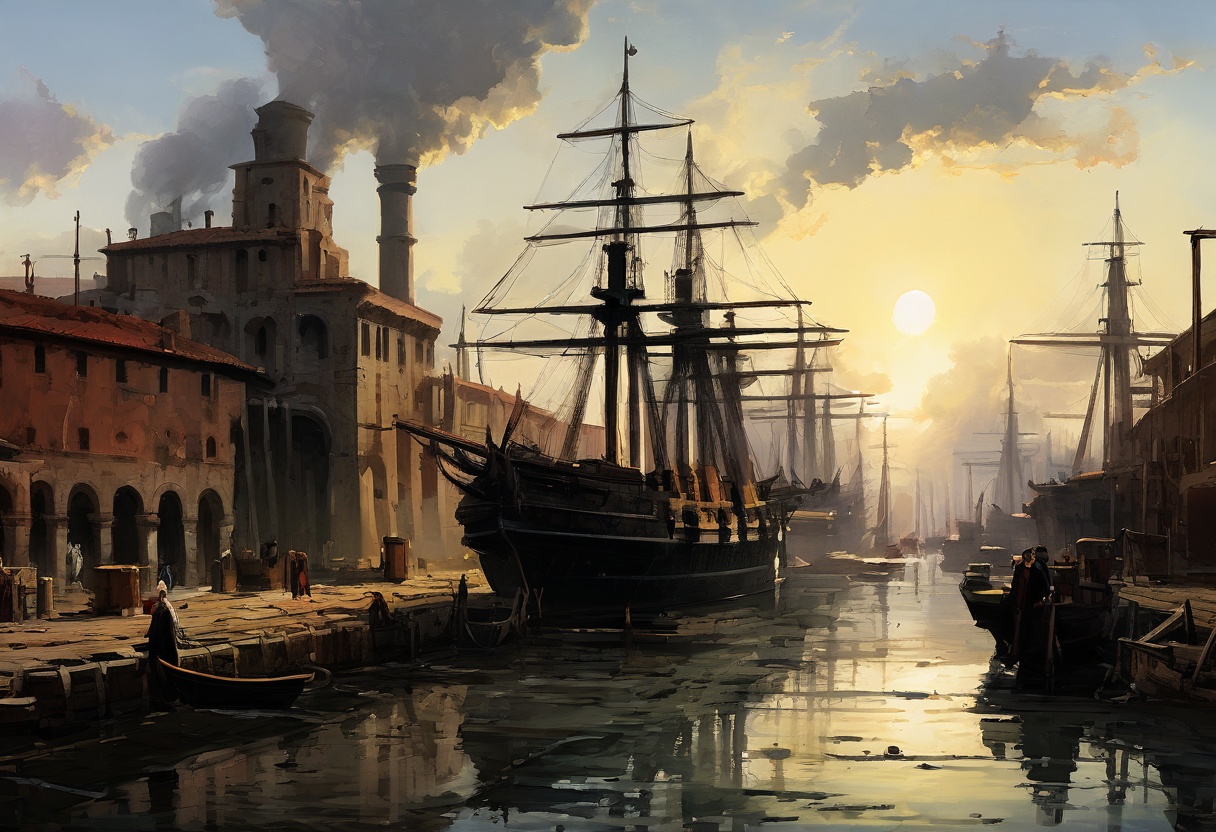
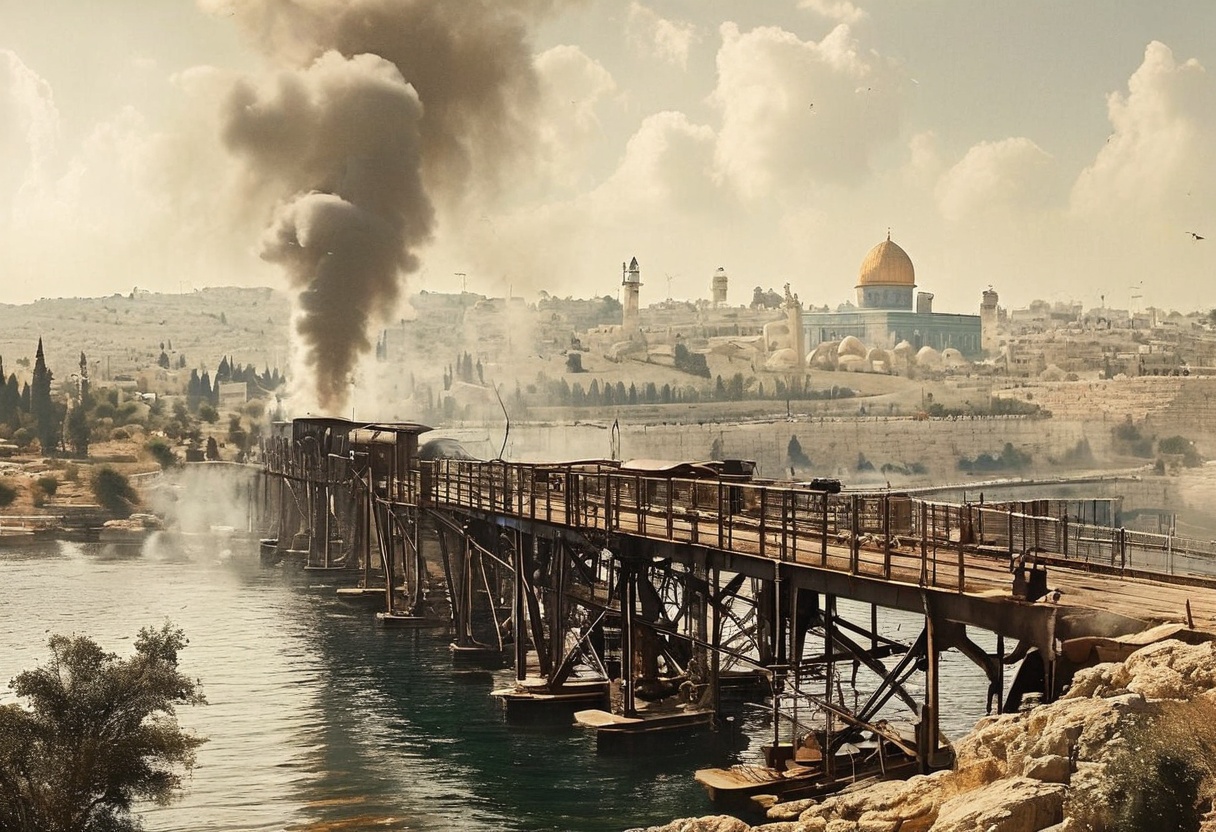
In this version of history, steam-powered barges are deployed on the Rhône and lower Danube before 250 CE, creating a continuous imperial materials corridor.
Did you know…
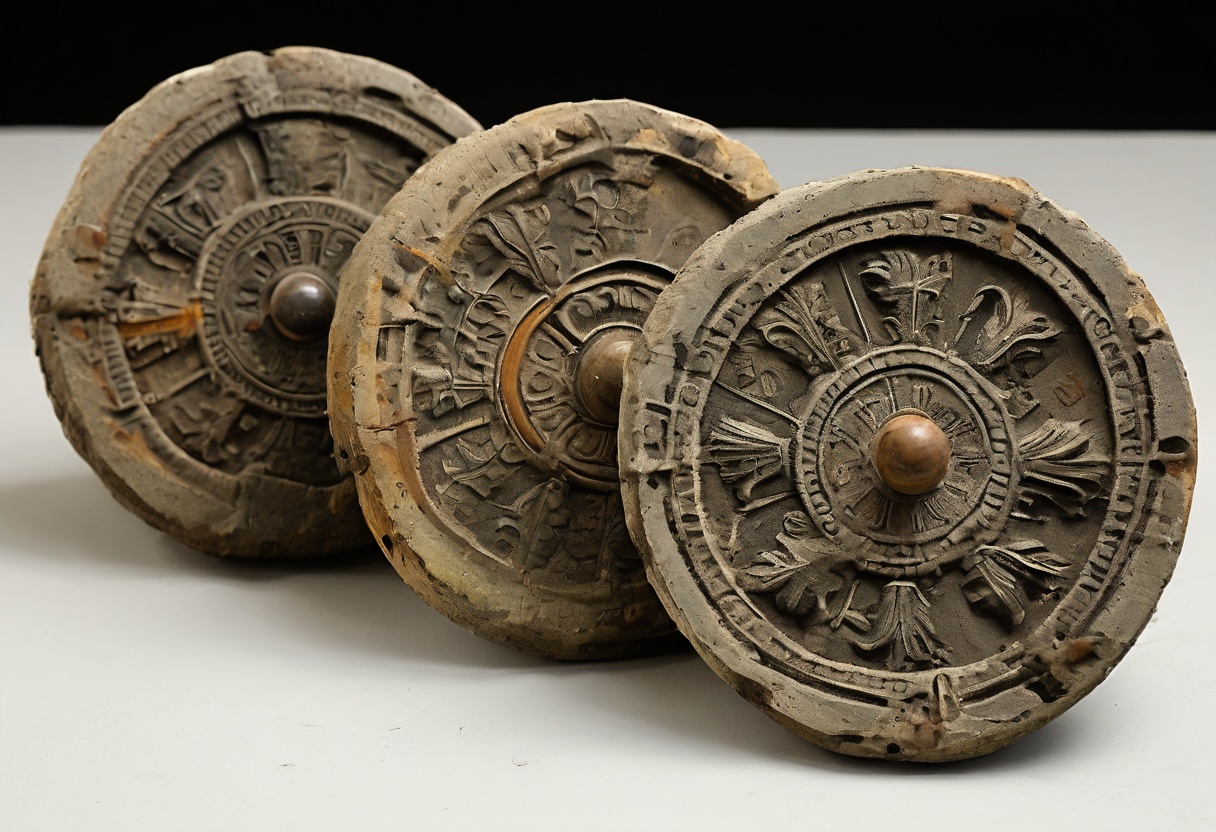
Steam inspections were attached to municipal contracts, making boiler accountability a normal civic requirement long before modern bureaucracy.
Timeline snapshot
- 196 BCE: Provincial trials confirm pressure-driven pumping and controlled cylinder systems.
- 78 BCE: Senate charter on contractor liability for pressure vessel failure is adopted.
- 212 CE: Steam barges and engineering convoys standardize frontier movement.
- 305 CE: Province-wide manuals on inspection cycles are printed and circulated.